Trend: Product-Centric to Consumer-Centric Merchandising

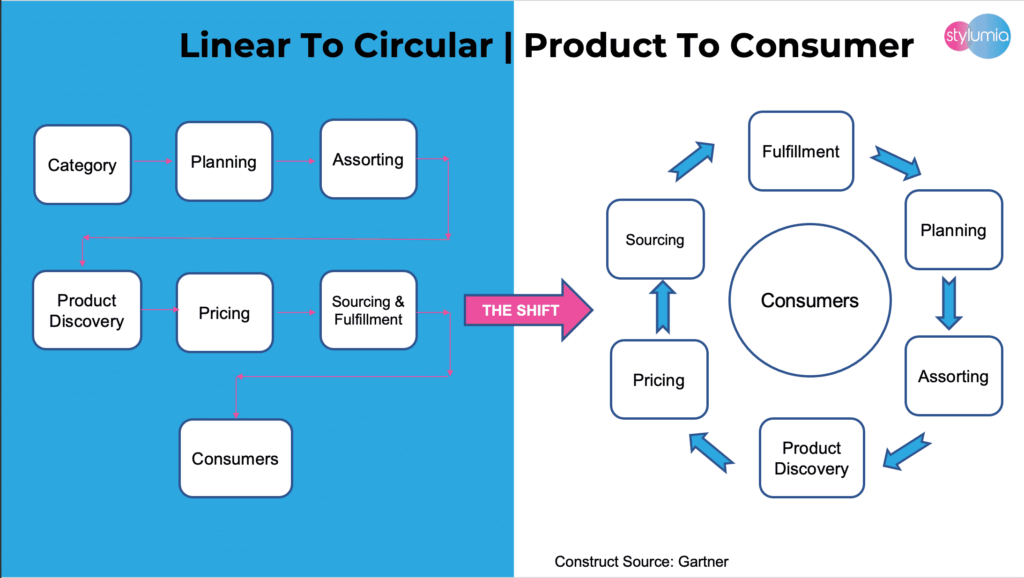
Retail businesses are used to merchandising processes which are product-centric. The process starts with the category and ends with the consumer. With consumer demand patterns changing constantly, there needs a fundamental shift from product-centric to consumer-centric merchandising. This is a trend as published by Gartner.
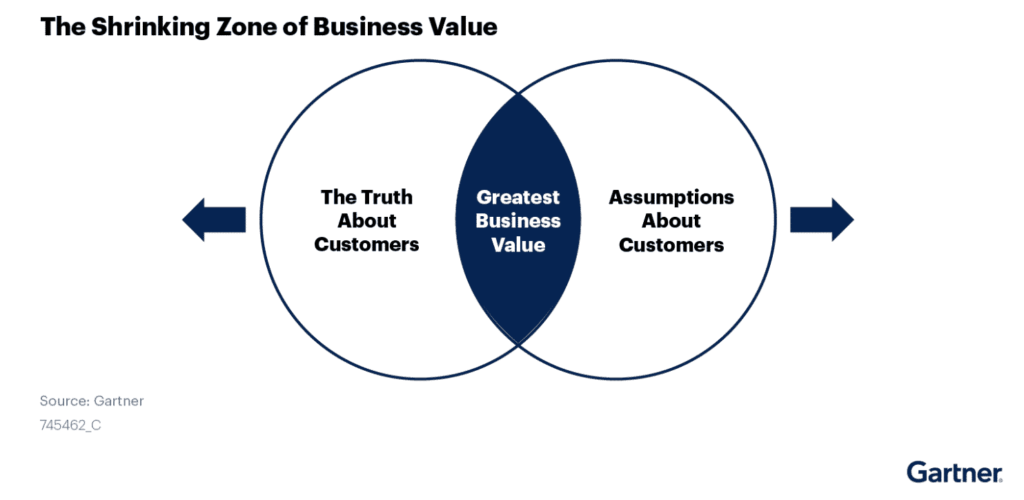
This trend is well articulated by Robert Hetu of Gartner, the more our assumptions about customers intersect with the truth about customers, the more the business value.
The shift is from the linear product to consumer to, consumer at the center of the decision making across the value-chain.
His conclusions on the imperative to shift merchandising processes ring a serious alarm bell to brands and retailers. Here are the top three implications.
- Linear product-centric and customer exclusive processes will lead to erosion of market share, profitability and failure in the long term.
- The fundamental shift to the circular customer inclusive merchandising processes will impact many merchandising organizations like never before and cause many to fail.
- Brands and retailers who fail or are slow to implement AI-led merchandising processes will not survive
Folly in Misusing Faster Horse Quote
Many use the faster horse vs automobile quote to stay away from listening to customers. You can read an interesting perspective on this folly in this blog.

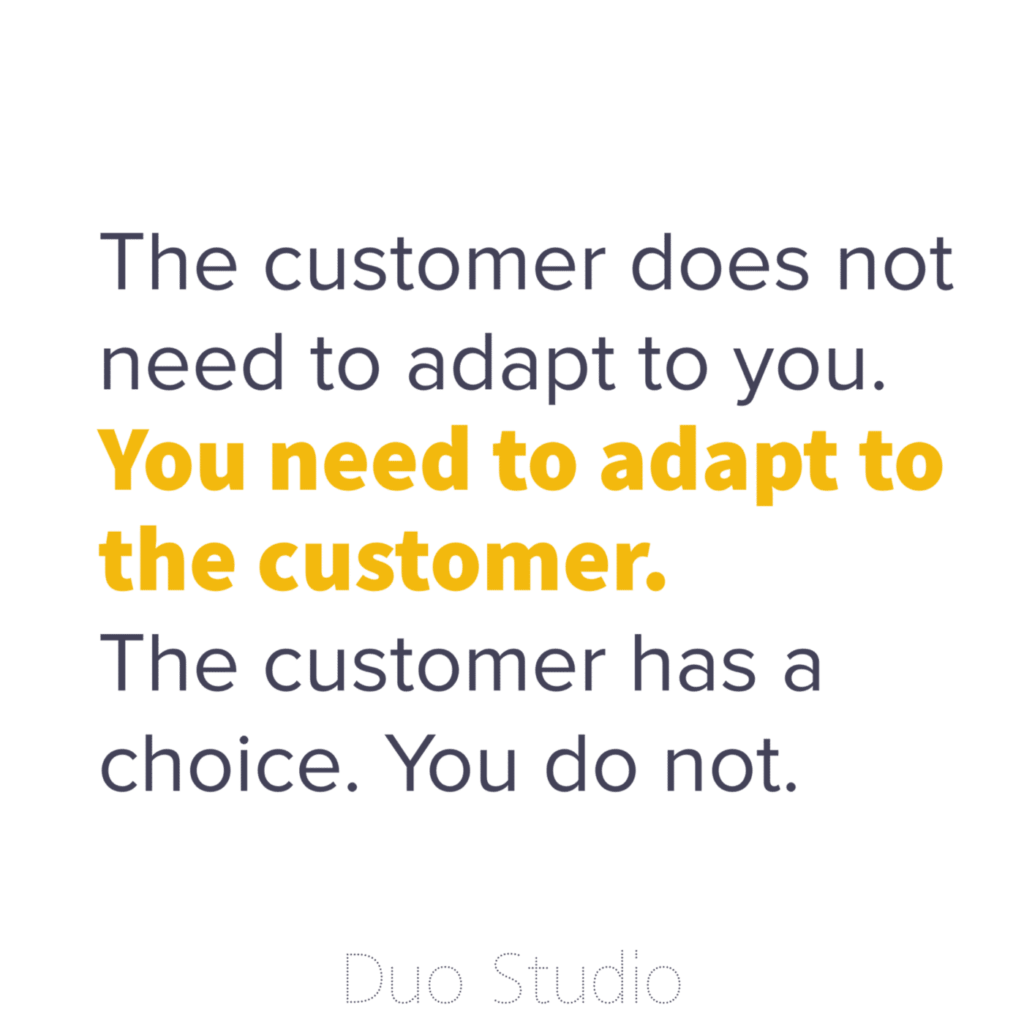
The key takeaway is, that customers always know what they want but they may not know what they need. It is the job of the innovator to do that. The customers will not adapt to us, we need to adapt to the customers.
A New Way to Adapt To The Customers
Consumer demand patterns are shifting constantly. The traditional ways to map consumer decision trees are static in nature. We need a dynamic way to map what is happening in the market. There are lots of companies mapping the market using data collected from the internet. The key question is whether the data maps consumer demand or product supply. This supply-side view is creating huge damage both to economic and environmental sustainability.
This is the fundamental question we asked ourselves in 2016 when we started Stylumia. We need a shift from a product-centric to a consumer-centric merchandising view. This is a non-trivial problem as demand is not in the public domain.
With years of work, we have built one of its kind demand-sensing engine which provides brands and retailers with shifts in consumer-demand trends. We map retail data at an internet scale across segments from luxury to value by geography. Our demand sensing algorithm (AI-enabled) removes the noise of supply and brings actionable demand views for the product creators and merchandisers.
This demand sense helps in nano trend-spotting, which enables brands and retailers to stay connected at the root of the change timely.
Impact of Shifting from Product-Centric to Consumer-Centric Merchandising
We have been working with brands and retailers of varying sizes including the Fortune 100, across markets. The key metric of impact is the demand-velocity of products (revenue increase), and the reduction in trend misses (through white space/ opportunity spotting). These are also enablers of market leadership. The byproduct of these impacts are inventory reduction and growth in profitability.
The Return on investment to brands and retailers are 10 times in 12 months of implementation and goes up to 15-18 times in year 3 with wider adoption.
Current inflationary times make it imperative for brands and retailers to understand consumer wants and capture the limited spending power. It is time to do more with less, in other words, #buylesssellmore #createlesssellmore
If you would like to understand how we enable consumer-centric merchandising decisions, please book a free discovery and demo session here.