
.svg)
Key takeaways
Stylumia's this edit looks at how Bhutan, one of the smallest countries in the world is inspiring on sustainability in the Retail world and helping the planet. What can any country, company, or individual learn from them?
The government shall ensure that, in order to conserve the country's natural resources and to prevent degradation of the ecosystem, a minimum of 60% of Bhutan's total land shall be maintained under forest cover for all time.
As I started to research for this edit, what made me write about Bhutan is the inspiring TED video by Tshering Tobgay, former Prime Minister of Bhutan. I am sure you will get inspired as I did. You can search for the video on YouTube.
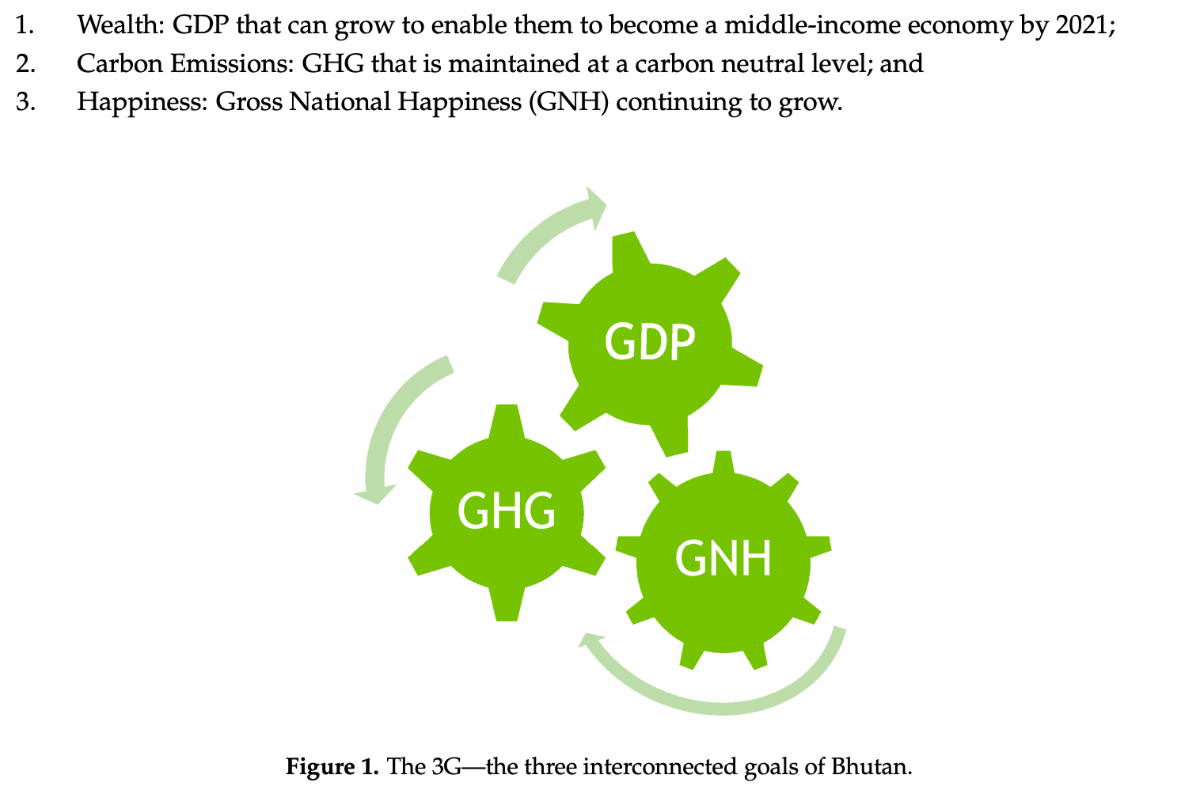
Bhutan is approaching this through a unique 3G model.
# Bhutan's 3G Model
Bhutan is the only carbon-negative country in the world. The 3G model uniquely integrates their goals on Carbon emissions - Green House Gas (GHG), Social Welfare - Gross National Happiness (GNH), and Economic growth - Gross National Product (GNP).
courtesy: sustainability2018
This clearly indicates a holistic approach to sustainability combining environmental, economic, and social angles.
The unique one amongst the 3Gs - GNH (Gross National Happiness), was first discussed and adopted by the Fourth King of Bhutan in the 1970s, which is essentially a Buddhist philosophy that “measures the quality of a country in a more holistic way [than GDP] and believes that the beneficial development of human society takes place when material and spiritual development occur side by side to complement and reinforce each other”. The framework consists of 4 pillars, 9 domains, and 33 indicators.
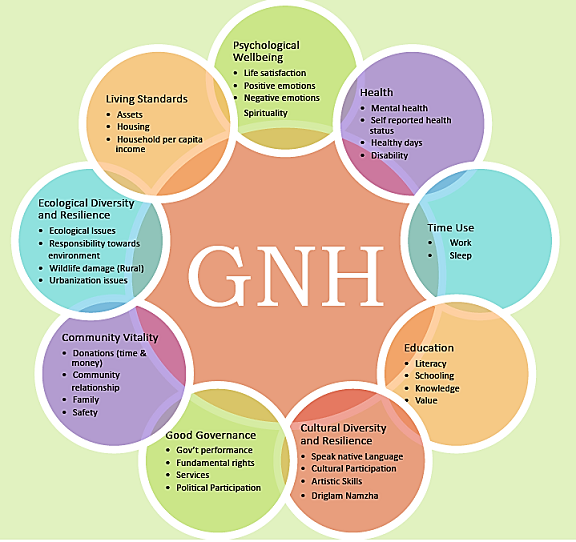
United Nations got inspired by Bhutan's GNH model and initiated World Happiness Report and you can download the full World Happiness Report 2019 here.
What makes Bhutan's approach unique is an empowering commitment to a holistic approach to sustainability. In our view, that consists of...
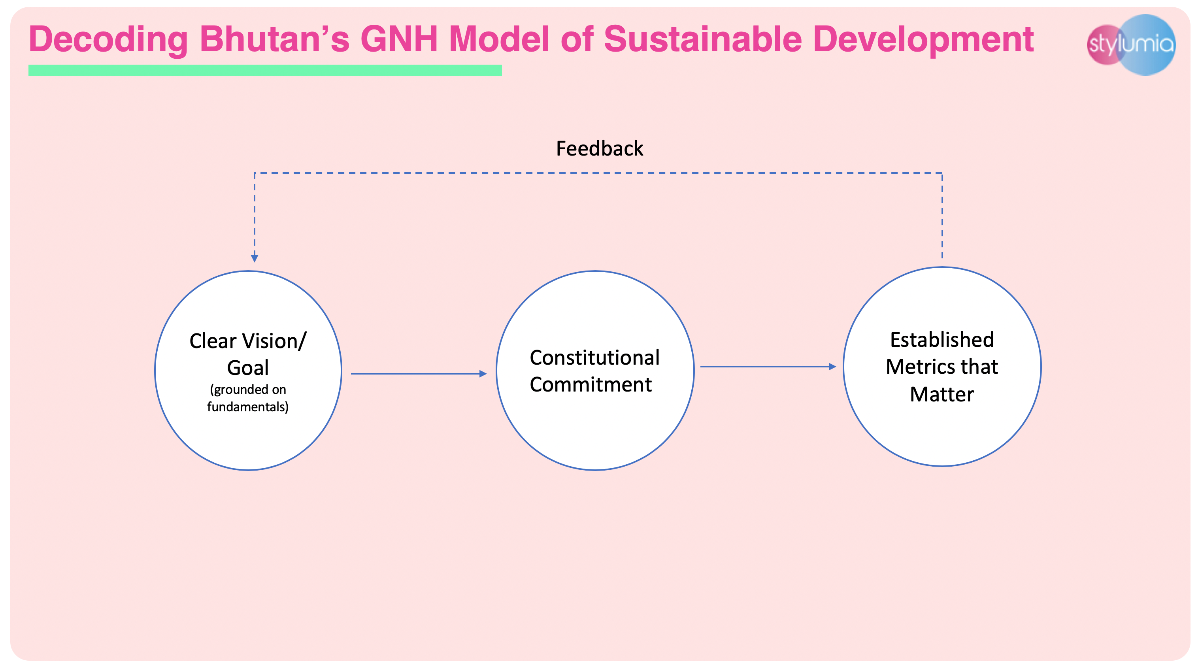
Figure 2: Decoding Bhutan's Sustainable Development
# What World of Fashion can learn from Bhutan?
Learning from Bhutan's approach to sustainability, fashion brands and retailers can adopt the 3G flywheel to their businesses.
1. Economic Growth of the business
2. Greenhouse Gas Emission
3. Gross Brand Happiness
While (1) is always taken care of, (2) and (3) can be the new focus areas. A good number of brands are taking initiatives to reduce their carbon footprint. Platforms like FashionForGood are bringing together industry, government, start-ups for furthering the cause of sustainability in the fashion industry.
In order to execute this in the business, it is vital that the business creates a construct as in Figure 2 on vision, strategic commitment with clear metrics.
There are various innovative attempts to make the fashion business sustainable. Here are some interesting experiments in this area (unconventional ones),
1. Can Biology fix the fashion pollution problem?
2. Grow your own Fashion
3. 3 creative ways to fix fashion's waste problem
While getting deeper into various attempts of circular fashion initiatives is in itself a topic for another edit, we expressed our views on sustainability in two of our earlier edits
1. System Thinking on Sustainability - A Holistic Approach
2. Sustainable Fashion - The Future is Now
While most of the innovations are happening around the materials, processes of circularity in the entire supply chain, what we observed was "There is a huge opportunity to reduce wastage (Muda) by doing Right First Time, the principal activity of making the right products"
Using big data at internet scale combined with brand's own data, powered by AI technologies of machine learning, computer vision, brands and retailers to sense demand and make relevant products. Using prediction engines, the fashion industry globally can improve its effectiveness (eliminate wastage) as high as 10-40% (carbon footprint reduction of this order) at the same time enhancing the economic growth of the business. This is a magnitude of waste reduction without any capital expenditure and can happen through the first few seasons itself.
In Conclusion, if you are excited by Bhutan's sustainability story and would like to take your sustainability efforts to the next level, what one action will you take in the coming weeks in your organization? You can write to us.
Blog by Ganesh Subramanian

.jpg)
.jpg)